
Global Shockwaves: Economic Implications of the US-Israeli War with Iran and Why You Need an Emergency Fund Now
Recent strikes between Israel and Iranian targets have pushed tensions to a boiling point. In early March 2026, reports of US naval movements in the Persian Gulf signal a real risk of full-scale war. This conflict could hit global economies harder than the 2022 Ukraine crisis, shaking energy supplies and trade flows. We will look at key impacts on oil markets, supply chains, and US finances. Plus, we will cover how to build personal buffers like an emergency fund to weather the storm. These steps matter because individual choices can shield you from wider chaos.
Disruption of Global Energy Markets: The Strait of Hormuz Multiplier
War in this region threatens the flow of oil and gas that powers the world. Iran controls key paths, and any blockade could spike prices overnight. Expect ripples through factories, trucks, and your gas bill.

Threat to Hydrocarbon Transit Chokepoints
The Strait of Hormuz sees about 20% of global oil pass through each day. That’s over 21 million barrels, feeding Europe, Asia, and beyond. If Iran closes it, ships face long delays or total halts. Insurance costs for tankers could jump fivefold, as seen in past threats. This squeezes suppliers and buyers alike.
Nations like Saudi Arabia and the UAE rely on this route too. A shutdown forces airlifts or pipelines, but those can’t match sea volumes. Small disruptions already add days to voyages, costing billions.
Immediate Oil Price Volatility and Inflationary Pressure
Look back to 2019 when Iran downed a drone; oil jumped 4% in hours. Now, with war, Brent Crude might hit $120 per barrel fast. West Texas Intermediate could follow suit, pushing US pump prices past $5 a gallon.
Higher energy feeds into everything from food to freight. Consumer prices could rise 2-3% in months, hitting low-income families hardest. Central banks may hike rates to fight this, slowing growth. Your grocery run gets pricier as transport costs climb. Factories pass on fuel hikes, so everyday items cost more. This chain reaction erodes your buying power quickly.
Strategic Petroleum Reserve (SPR) Response and Global Reserves
The US holds about 370 million barrels in its SPR as of now. In a crisis, whoever leads – would tap it to ease shortages. Past draws like back in 2022, covered weeks of needs but didn’t stop long rallies.
OPEC+ might boost output from spare capacity, around 5 million barrels daily. Yet, if Saudi fields face threats, coordination fails. Europe and China scramble for alternatives, straining alliances. Reserves buy time, but not forever. A six-month blockade drains stockpiles worldwide. Prices stay high until safe routes reopen.
Supply Chain Paralysis and Trade Route Re-Routing
Energy isn’t the only worry. War disrupts goods from Asia to the West, delaying phones, cars, and clothes. Factories halt when parts don’t arrive, costing jobs and output.

Impact on East-West Maritime Trade Routes
The Arabian Sea links major ports like Dubai to Mumbai. Iranian missiles could target vessels there, scaring off carriers. Bab el-Mandeb Strait, near Yemen’s proxies, adds risk, ships detour via Africa’s Cape of Good Hope.
This adds 10-14 days and 40% more fuel per trip. Global trade volume, worth $25 trillion yearly, faces a 5-10% hit. Container rates soared 300% in similar 2023 events. Your online orders from China take longer. Businesses stockpile, but shelves empty if delays drag on.
Semiconductor and Technology Component Shortages
Asia ships 70% of chips through these waters. War slows deliveries from Taiwan and South Korea to US plants. Apple’s iPhone lines or Ford’s EVs could pause, as in the 2021 chip crunch. Production cycles stretch by months. Prices for laptops and cars rise 10-20%. Tech firms lose billions in revenue.
Workers in assembly lines face layoffs. Innovation stalls when basics aren’t there.
- Key risks: Delayed rare earth metals for batteries.
- Backup plans: Air-freight costs 10 times more but moves little volume.
- Long-term: Firms shift suppliers, but that takes years.
Sanctions Regimes and International Finance Freezing
US sanctions could cut Iran from SWIFT, the bank messaging system. This freezes $100 billion in yearly trade. Banks pull back from deals with Tehran, hurting neutral players like India. Oil buyers pay premiums or switch sources. Currency swaps rise, weakening the dollar’s role. Global finance tightens, raising loan costs everywhere.
Even allies feel the pinch. European firms lose Middle East contracts, adding to slowdowns.
Possible Domestic Economic Repercussions in the US

The US faces budget strains and market jitters. Defense ramps up, but so do everyday worries. Growth could dip 1-2% if conflict lasts a year.
Escalation in Defense Budgeting and Fiscal Spending
The Pentagon’s $850 billion budget might double for this fight. New jets, missiles, and troops mean quick spending bursts. Iraq War saw defense jump 50% in real terms. Deficits balloon as taxes don’t cover it. Congress borrows more, pushing debt over $35 trillion. Interest payments eat into social programs. You pay via higher taxes or cuts elsewhere. Economy shifts to war mode, sidelining green projects.
Consumer Confidence Erosion and Market Flight to Safety
Polls show confidence drops 10-15 points in crises. People cut spending on big buys like homes. Stocks fall 20%, as in 2003 Gulf buildup. Investors flock to Treasuries, yields dip below 2%. Gold hits $2,500 an ounce as a safe bet. Volatility index (VIX) spikes, shaking retirement funds. Businesses delay hires.
Your 401(k) takes a hit if you are in stocks.
Labor Market Dynamics During Conflict Escalation
Draft talks or volunteer calls pull workers from jobs. Defense sectors boom, adding 500,000 roles in manufacturing. But services suffer from low demand.
Unemployment ticks up 0.5% short-term. Wages rise in key areas, but inflation eats gains. Women and minorities often bear more burden. Skilled tech workers shift to military needs, slowing civilian innovation.
The Israeli Economy Under Siege: Resilience and Vulnerability
Israel’s small economy, $500 billion GDP, feels direct blows. High-tech drives 20% of output, but war disrupts it. Tourism, 5% of GDP, vanishes overnight.

Direct Costs of Defense Mobilization and Civilian Sector Disruption
Reservists, 30% of workforce, get called up for weeks. Factories and offices lose staff, cutting productivity 10%. Iron Dome upkeep costs millions daily. Civilian alerts halt work, adding lost days. GDP shrinks 2-3% per month of fighting. Families strain on fixed incomes.
Recovery takes time, even with strong reserves.
Foreign Investment Flight and Sovereign Risk Reassessment
Investors pull $50 billion in FDI yearly; war halves that. Bond yields rise to 6%, hiking borrow costs. Credit ratings slip, scaring lenders. Startups, Israel’s pride, see funding dry up. VCs flee to safer spots.
Economy toughens, but scars linger for years.
Tourism Sector Collapse and Import Dependency
Visitors, 4 million pre-war, stop cold. Hotels and guides lose 90% revenue. Beaches empty, jobs vanish. Imports for food and meds cost more with security fees. Shelves thin if ports clog. Daily life gets harder.
- Quick fixes: Local tourism pushes, but it won’t match.
- Long view: Diversify away from visitors.
Actionable Financial Defense: Building Your Personal Economic Buffer
Big pictures scare, but you control your wallet. Start small changes now to build safety nets. Focus on cash, debt, and smart bets against ups and downs.
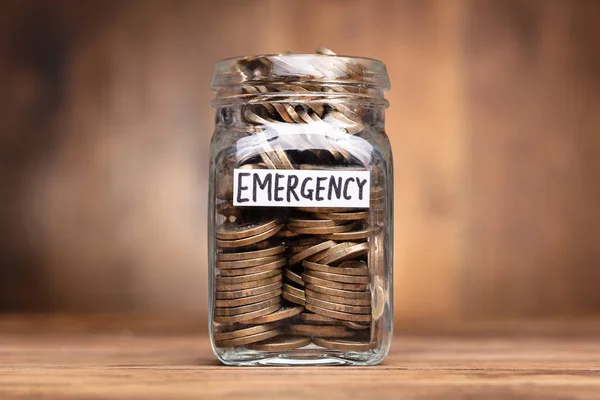
Prioritizing Emergency Fund Fortification
Aim for 9-12 months of bills in savings, up from the usual 3-6. High-yield accounts pay 4-5% now, beating inflation. Park it in FDIC-insured spots for peace.
Track expenses to cut fluff. Automate transfers to grow the pot. If job loss hits, this covers rent and food. One reader shared: “My fund saved me during 2020 layoffs.” Yours can too.
Debt Reduction and Liquidity Optimization
Tackle credit cards first; rates over 20% kill budgets. Pay minimums on fixed loans, extra on variables. Free up cash for rainy days. Build liquidity with easy-access cash or short CDs. Avoid locking money long-term. Review insurance to drop extras.
Take Some Steps:
- List debts by rate.
- Pay highest first.
- Refinance if rates fall.
This shields against income dips from the possible war chaos.
Strategic Diversification Against Inflation and Volatility

Check your investments; cut heavy stock risks. Add gold ETFs for 5-10% hedge – it’s up 15% in tense times. Bonds offer steady income amid swings.Don’t chase crypto; stick to basics. Rebalance yearly. Talk to a advisor if needed.
Gold shines when dollars weaken from deficits. Bonds pay when rates ease post-crisis.
Navigating the Unpredictable Economic Landscape
This US-Israeli war with Iran links energy shocks, trade jams, and spending surges into one big threat. Oil spikes fuel inflation, chains break supplies, and budgets strain under defense needs. Israel’s front-line economy shows how fast things crumble.
You can’t stop geopolitics, but you can prep your finances. Build that emergency fund today – it’s your first line against global hits. Act now in calm times, regrets come later when shocks hit. Start saving small, stay steady, and you’ll come out stronger.
