Starting your career comes with plenty of financial firsts. This can go from things like your first full-time paycheck, your first apartment, student-loan payments, and even retirement contributions. For quite a few, is also the realization that money can disappear surprisingly quickly, and in many instances not realising where exactly it may have gone.
A good budgeting app can make managing those competing priorities much easier. Instead of tracking every purchase in a spreadsheet, you can automate expense tracking, as well as to set spending limits, monitor financial goals, and get a clearer picture of where your money is going.
Be minded however, that not every budgeting app works exactly the same way. Some may focus on detailed, hands-on budgeting, while others emphasize automation and simplicity. As such it is still a bit of learning curve and also you will have to identify and research the app, which works towards your overal goal.
Here are five budgeting apps worth considering if you are a young professional, looking to take greater control of your finances.
1. YNAB: Best for Hands-On Budgeting

YNAB, short for You Need A Budget, is designed around a proactive approach to money management. Rather than simply showing you where your money went, the app seeks to encourage you to assign your available money to specific priorities.
This approach can be particularly useful for young professionals whose financial lives are becoming more complicated. You might be balancing rent, student loans, credit-card payments, travel, emergency savings, and retirement contributions – and all on one income.
Why young professionals may like it:
- Encourages intentional spending
- Helps users plan for any upcoming expenses
- Useful for people who are trying to break the paycheck-to-paycheck cycle
- Provides detailed budgeting tools and financial education
Best for: People who want to be actively involved in managing their budget.
Potential drawback: YNAB requires more engagement than an app that simply tracks spending, and it also uses a subscription model.
2. Monarch Money: Best for an All-in-One Financial Dashboard
For people who want their entire financial picture in one place, Monarch Money is an appealing option. It combines budgeting with a broader financial tracking purpose. It allows its users – to monitor accounts, transactions, investments, and their financial goals.
It is that broader approach, that can be valuable as your finances become more sophisticated. A young professional may start with a checking account and student loan. They can then eventually add a retirement account, brokerage account, credit cards, and savings accounts.
Why young professionals may like it:
- Combines budgeting and financial tracking
- Provides a broad view of your net worth
- Supports financial goals
- Useful as your finances become more complex
Best for: Persons who may want budgeting, alongside their broader personal-finance tracking.
Potential drawback: Its more comprehensive feature set may be unnecessary if you only want a basic spending tracker.
3. Pocket-Guard: Best for Simple Spending Awareness
If you don’t want to spend hours categorizing transactions, PocketGuard takes a relatively straight forward approach to budgeting. Its tools are designed to help its users understand, just how much money they have available after accounting for bills, savings goals, and other obligations.
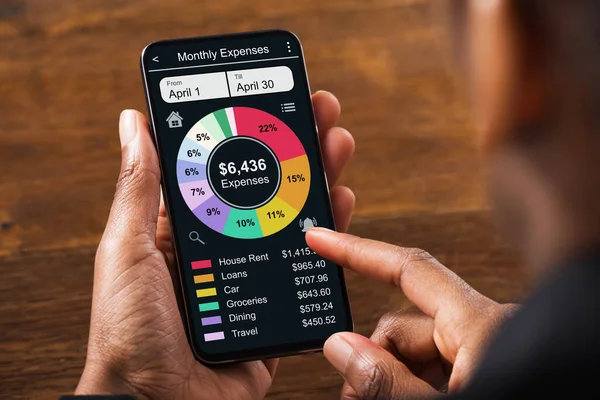
This can be especially helpful, for someone who wants a quick answer to a common question: “How much can I reasonably spend?”
Why young professionals may like it:
- Emphasizes simplicity
- Can help users identify spending patterns
- Useful for keeping discretionary spending under control
- Less intimidating for budgeting beginners
Best for: People who want a simpler alternative to detailed envelope-style budgeting.
Potential drawback: Users looking for highly customized budgeting may prefer a more advanced platform.
4. Goodbudget: Best for Envelope-Style Budgeting
Goodbudget brings the traditional envelope budgeting method into the digital world. Instead of physically putting cash into different envelopes, you divide your available money among digital spending categories.
For example, you might create separate categories for groceries, restaurants, transportation, entertainment, and travel.
This can be a useful method for young professionals who tend to overspend in specific categories. Once your restaurant budget is gone, for example, you have a clear signal to slow down until the next budgeting period.
Why young professionals may like it:
- Easy-to-understand budgeting system
- Encourages spending limits by category
- Useful for people who prefer a visual budgeting method
- Can be used across multiple devices
Best for: People who like the idea of envelope budgeting but don’t want to handle physical cash.
Potential drawback: It may feel less automated than apps that connect extensively with financial accounts.
5. Rocket Money: Best for Cutting Recurring Expenses
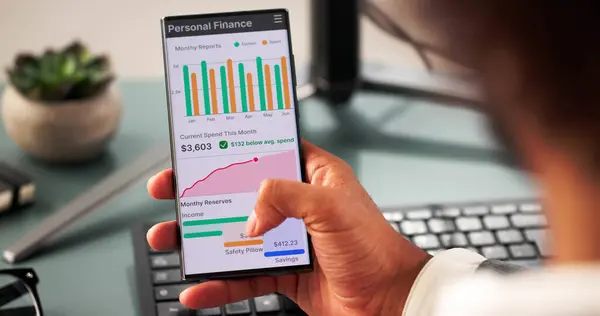
Rocket Money takes a slightly different approach to budgeting by putting significant emphasis on recurring expenses and subscriptions.
For young professionals, subscriptions can become an easy source of “invisible” spending and leakage. Streaming services, software subscriptions, memberships, delivery services, and other recurring charges can add up considerably over a few months and even over a year.
An app that helps you identify those expenses, can therefore complement a broader budgeting strategy.
Why young professionals may like it:
- Helps identify recurring expenses
- Useful for monitoring subscriptions
- Can provide insight into monthly spending
- Designed with convenience in mind
Best for: People who want to identify recurring expenses and potentially reduce unnecessary bills.
Potential drawback: Some features may require a paid plan, and users should review exactly what an app can and cannot do on their behalf before using bill-negotiation services.
How to Choose the Right Budgeting App
The “best” budgeting app depends less on which app has the most features and more on how you prefer to manage money.
Consider these questions before signing up:
Do you want automation or control?
If you want an app to do most of the tracking for you, look for strong account synchronization and automatic categorization. If you enjoy actively planning your spending, a hands-on system such as YNAB or an envelope-style approach may be a better fit.
What are your biggest financial goals?
Your priorities matter. Someone focused on eliminating credit-card debt may need different tools from someone saving for a home or trying to maximize retirement contributions. Choose an app that makes your most important goals easy to monitor.
How much are you willing to pay?
Free budgeting apps can be perfectly adequate for basic expense tracking. Paid apps may offer more sophisticated planning and financial-management features. Before paying for an app, consider whether you’ll actually use its additional features.
How much automation do you want?
Automatic transaction imports can save time, but some people prefer manually reviewing every transaction. The right balance is the one that makes you more likely to stick with your budget.
Don’t Let the App Become the Budget
A budgeting app is a tool. It Is A Tool and Not! a financial strategy by itself. The most useful app, is ultimately the one you’ll actually use consistently. Start by understanding your monthly take-home income, fixed expenses, variable spending, debt obligations, and savings goals.
Then choose an app that makes those numbers easier to manage.
For many young professionals, the biggest benefit isn’t saving a few minutes each week. It’s developing the habit of knowing where your money is going and making those deliberate decisions about where it should go next.
Bottom line: YNAB is a strong choice for hands-on budgeting, Monarch Money suits people who want a broader financial dashboard, PocketGuard emphasizes simplicity, Goodbudget is ideal for envelope-style budgeting, and Rocket Money can be useful for identifying recurring expenses.
Whichever tool you choose, the goal is the same. Turn your paycheck into a plan, rather than wondering where it went at the end of the month.