
The Smartest Investment in Your Wardrobe Isn’t the Brand Name
In a world where clothing labels can command a premium, consumers are often encouraged to believe that a recognizable brand is synonymous with quality. But for shoppers who want to spend wisely, the more important question is not Who made it? but What is it made of?
When evaluating clothes as a purchase, fabric quality deserves far more attention than the name on the tag, and many of us know this but may just need a bit of reminder.
Look Beyond the Label

A brand can add prestige to a garment, but prestige does not necessarily translate into better materials or longer-lasting clothing. Two shirts with dramatically different price tags may be made from fabrics of comparable quality, while a less expensive, lesser-known garment may outperform a designer alternative in durability and comfort.
For financially conscious consumers, this creates an opportunity. Simply evaluate the product rather than getting caught and then paying primarily for the marketing surrounding it.
Start with the fiber content. Cotton, linen, wool, silk, and carefully selected synthetic or blended fibers can all be excellent choices, depending on the garment’s purpose. The key is understanding how the material performs rather than assuming that a particular fiber, or a particular brand, is automatically superior. Remember evaluate the purpose.
Price Per Wear Matters
The true cost of clothing is rarely captured by the price on the receipt. Let us consider a $40 shirt that survives years of regular wear versus a $150 shirt that loses its shape after a few washes. In this instance it is the cheaper garment that may ultimately represent the better financial decision.
This is where cost per wear becomes useful as part of our overall budgeting.
If a $40 garment is worn 40 times, then we can state that its cost per wear is $1. However, a $150 garment that is only worn 15 times costs you $10 per wear. Conversely, an expensive garment that remains in excellent condition for years can be a better value than repeatedly replacing cheaper alternatives.
The objective, therefore, should not necessarily be buying the cheapest clothing. It should be buying clothing that delivers the most useful wear for the money.
How to Judge Fabric Quality
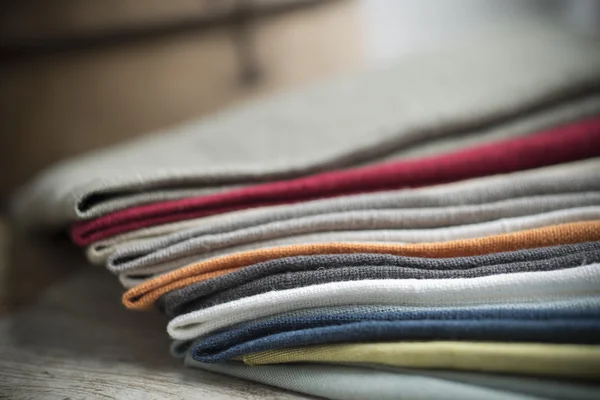
Shoppers do not need to be textile experts to make better decisions. You can start by examination of the fabric closely. Then as yourself a few questions:
- Does it feel substantial and appropriate for its intended use?
- Is the weave or knit even?
- Does the material maintain its shape when gently stretched?
- Are there signs of pilling, loose threads, or uneven finishing?
Pay attention to how the garment hangs on the body as well. Good fabric should generally have a consistent drape appropriate to the style that you are considering. The care label also deserves attention. A garment requiring unusually complicated or expensive maintenance may have a higher ownership cost than its purchase price suggests.
Quality Can Be a Financial Strategy
Clothing is a relatively small category in most household budgets, but the underlying principle extends far beyond fashion: the lowest upfront price is not always the lowest long-term cost. In other words the same thinking applies to appliances, furniture, electronics, and other consumer goods. A product that lasts longer can reduce replacement costs, waste, and even the time spent shopping for another one.
For clothing in particular, buying fewer, better-made pieces can also make a wardrobe more predictable. Durable basics can serve as a foundation, while trend-driven purchases can be treated as discretionary spending rather than necessities.
Brand Recognition Has a Cost

There is nothing inherently wrong with paying for a brand. Consumers may value design, fit, craftsmanship, heritage, customer service, or the status associated with a particular label. Those benefits should be recognized as part of the purchase and not confused with objective fabric quality.
A useful habit is to mentally remove the logo before deciding whether a garment is worth its price. If the same piece had an unfamiliar label, would the fabric, construction, fit, and expected lifespan still justify the cost?
If the answer is no, the shopper may be paying primarily for the brand.
The Bottom Line
Smart clothing purchases are less about finding the cheapest option and more about understanding value. Maybe this is also another reason some millionaires wear the same type of outfit daily, and effectively save themselves some money.
Before reaching for a familiar label, check the fabric. Before comparing price tags, consider durability, and before deciding that an expensive garment is an investment, consider how often you are realistically going to wear it. Along with this be sure to ask yourself if you are shopping just because or is it your stress relief. This consideration is important as this these emotional positions can also impact our financial decisions.

The best wardrobe purchase may not be the garment with the most recognizable name. It may simply be the one with better materials, better construction, and a longer useful life.
In personal finance, that is a familiar principle: pay for lasting value, not just perceived value.