
A Budget That Actually Works for Individuals and Families
Managing money can be challenging, whether you’re living on your own, supporting a partner, raising children, or managing an entire household. Between those everyday expenses, bills, groceries, savings goals, and unexpected costs, it can sometimes feel as though your money just disappear way before the month is over.
The good news is that creating a budget does not have to be complicated. A practical monthly budget can help you take control of your finances, reduce financial stress, prepare for emergencies, and work toward a much more secure future.
The key is to create a budget that reflects your actual income, lifestyle, responsibilities, and your financial goals, one that you can realistically maintain over time.
Reminder – What Is a Monthly Budget?
A monthly budget is a plan, for how you will use your money over the course of a month. It outlines how much income which you expect to receive, how much you need to spend, and how much you want to save, invest or use to repay debt. For individuals, a budget can help manage personal expenses, reduce unnecessary spending, and make progress toward goals such as buying a car, pursuing further education, or purchasing a home.
For families, budgeting helps coordinate household expenses, plan for children’s needs, manage shared financial responsibilities, and prepare for future expenses. Regardless of your circumstances, a budget gives every dollar a purpose and helps you make informed financial decisions.
1. Start by Understanding Your Income

The first step in creating a successful budget is knowing how much money you have available each month. Start to calculate your total monthly take-home income, including your salary after deductions and any other reliable sources of income, such as freelance work, a side business, rental income, or other regular financial support.
If you’re budgeting as a family, include the income of household members who contribute to shared expenses.
For example, a household may receive the following monthly income:
- Partner or household member A: $3,000
- Partner or household member B: $2,000
- Additional reliable income: $300
Total monthly household income: $5,300
These figures are just illustrative and can be adjusted to suit your respective individual circumstance and currency.
If your income varies from month to month, such as when you work on commission or run a small business, then consider using a a more conservative estimate based on your recent earnings. You can also do an average and use that as your guide. This can help prevent you from committing to expenses that your income may not reliably cover.
2. Identify Where Your Money Goes

Before deciding where your money should go, examine where it currently goes. Do you really know where it is going? Take some time and review your bank statements, receipts, credit card transactions, mobile payment records, and cash purchases from the previous one to three months.
Group your expenses into three main categories.
Essential expenses
These are the costs necessary to maintain your household and meet your basic needs. They may include:
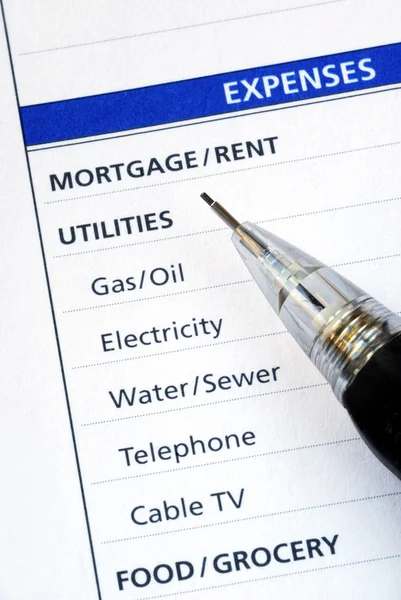
- Rent or mortgage payments
- Electricity, water, internet, and telephone bills
- Groceries and household supplies
- Transportation and fuel
- Insurance and medical expenses
- Childcare, school fees, and essential education costs
- Minimum debt repayments
Lifestyle expenses
These are expenses that make life enjoyable but may be adjusted when necessary. Examples include dining out, entertainment, subscriptions, hobbies, nonessential shopping, and holidays.
Financial priorities
These expenses help improve your future financial position. They include emergency savings, retirement contributions, education savings, planned major purchases, and additional debt repayments. Don’t forget irregular expenses. Annual insurance premiums, vehicle repairs, school supplies, holiday spending, and home maintenance can disrupt a budget if they aren’t planned for in advance.
Estimate the annual cost of these expenses and divide it by 12. Setting aside that amount each month can make these costs easier to manage when they arise.
3. Choose a Budgeting Method That Fits Your Life
One popular budgeting method is the 50/30/20 rule. It divides take-home income into three broad categories:
- 50% for needs: Housing, groceries, utilities, transportation, and other essential costs.
- 30% for wants: Entertainment, dining out, hobbies, and nonessential purchases.
- 20% for savings and debt reduction: Emergency savings, future goals, and additional payments toward debt.
For example, someone earning $4,000 per month would aim to allocate $2,000 to needs, $1,200 to wants, and $800 to savings and debt reduction.
However, This Method Is Only A Guideline…
A family with high housing costs, child-care expenses, or significant medical needs may need to allocate more than 50% of its income to necessities. If your essential expenses already consume most of your income, don’t feel discouraged. Start with your actual numbers and identify small, achievable improvements rather than forcing your finances into percentages that don’t fit. The more important thing is to just get started.
Another option is zero-based budgeting, where every dollar of income is assigned a purpose, including bills, spending, savings, and debt repayments. The objective is to ensure that your income is fully accounted for, not necessarily fully spent.
The best budgeting method is the one that matches your circumstances and is simple enough to maintain consistently.
