
Lines of Credit: 3 Pros and 3 Cons You Should Know Before Borrowing
A line of credit can be a useful financial tool, offering flexibility and access to funds when unexpected expenses arise or cash flow becomes tight. Unlike a traditional loan, which provides a lump sum upfront, a line of credit allows borrowers to access money as needed, up to an approved limit.
However, while this flexibility can make managing finances easier, it also comes with risks that borrowers should understand before applying. From interest costs, right to the temptation to over-spend, knowing the advantages and disadvantages of a line of credit can help you make a more informed financial decision, should you decide to get one..
Firstly – What Is a Line of Credit?
A line of credit is a borrowing arrangement in which a financial institution approves a maximum amount that a customer can borrow. The borrower can access some or all of the available funds. They repay what they owe, and generally borrow again as credit becomes available, based on the balance up to the maximum available to borrow.
Interest is typically charged on the amount that is borrowed rather than the entire approved limit, although fees and other charges may apply depending on the lender and the agreement.
Whether used for emergencies, business expenses, or planned purchases, a line of credit can provide financial flexibility. Before using one, however, it is important to weigh its benefits against its potential drawbacks.
3 Pros Of A Line of Credit
1. Flexible Access to Funds
One of the biggest advantages of a line of credit is the ability to borrow money when it is needed, rather than receiving a fixed lump sum.

For example, a home-owner facing an unexpected repair bill may need only a portion of the total amount of the loan, or available credit. Similarly, a small business owner who may be experiencing a temporary cash-flow shortage, can use a line of credit to cover operating expenses while waiting for customer payments.
Thereby acting as a temporary measure or hold-over, until things return to normal.
This flexibility, can be particularly valuable when expenses are unpredictable or varying from month to month. With a revolving line of credit, repaid amounts generally become available to borrow again, all subject to the agreement’s terms.
2. Potentially Lower Borrowing Costs
A line of credit may be more cost-effective, than borrowing a large lump sum of money or relying on high-interest credit cards. Of course it is also depending on the interest rate, fees, and repayment terms. Since interest is generally calculated on the amount actually borrowed, customers who use only a small portion of their available credit may pay less interest than they would on a loan for the full approved amount.
For instance, someone with a $10,000 credit limit who borrows only $2,000 generally pays interest on that $2,000 balance, and not the unused $8,000. However, account fees may still apply. The key is to be aware and also compare the annual percentage rate, applicable fees, and repayment conditions before deciding whether a line of credit is the most affordable option.
3. A Useful Tool for Managing Cash Flow

A line of credit can help individuals and businesses manage temporary gaps between income and expenses. Thereby enabling persons to survive during some of the hard times. For individuals, it may provide a source of funds for urgent expenses when savings are insufficient.
For businesses, it can help cover payroll, purchase inventory, or pay suppliers while waiting for revenue to arrive.
When used strategically, a line of credit can reduce the need to liquidate investments or disrupt longer-term financial plans to cover short-term needs and emergencies. Nevertheless, it is best suited to temporary financing needs, rather than persistent budget shortfalls. Borrowing repeatedly to cover expenses that consistently exceed income can create a cycle of debt.
3 Cons of a Line of Credit
1. Interest Rates Can Increase

Many lines of credit have variable interest rates, meaning the cost of borrowing can rise when market rates or the lender’s benchmark rate increases. A balance that initially seemed affordable, may become more expensive over time, particularly if the borrower carries the debt for an extended period.
For example, someone who borrows money expecting to repay it within a few months, could face higher interest charges if rates rise or repayment takes longer than anticipated.
Before accepting a line of credit, borrowers should review how the interest rate is calculated, whether it can change, and whether any additional fees apply. They should also consider whether they could comfortably manage the payments if borrowing costs increased.
2. The Temptation to Overspend
Having access to readily available credit can make it easier to spend beyond one’s means. Borrowers can often reuse credit after repaying it, they may begin treating the available limit as an extension of their income rather than as borrowed money, that must eventually be repaid.
This can lead to persistent balances, growing interest charges, and reduced financial flexibility in the future. To avoid this problem, borrowers should establish a clear purpose for using the credit, set a personal borrowing limit below the amount approved, and create a realistic repayment plan before drawing funds.
3. Fees, Repayment Obligations, and Potential Credit Risks

A line of credit may come with annual fees, transaction charges, or other costs.
Depending on the arrangement, borrowers may also be required to make minimum payments that cover only part of the outstanding balance. Making minimum payments without reducing the principal significantly can keep borrowers in debt longer and increase the total interest paid.
Missing payments can also result in late fees, damage to a borrower’s credit history, and difficulty obtaining financing in the future. If the line of credit is secured by collateral, such as a home, failure to repay could put that asset at risk. Understanding the full terms of the agreement and making payments on time are essential to managing these risks.
Is a Line of Credit Right for You?
A line of credit can be a practical financial resource for people who need flexible access to funds and have a reliable plan for repayment. It may be particularly useful for handling irregular expenses or bridging temporary cash-flow gaps. However, it is not a substitute for an emergency savings fund, a sustainable budget, or adequate long-term financial planning. Borrowers who already struggle to meet regular expenses should be cautious about taking on additional debt.
Before applying, compare offers from different financial institutions, review the interest rate and fees, and assess how the repayments would fit into your budget. It is also worth considering alternatives, such as building savings, negotiating payment arrangements, or choosing a conventional loan when the borrowing need is fixed and predictable.
Making The Decision
A line of credit offers three major advantages:
- Flexible Access To Funds
- The Potential For Lower Borrowing Costs, and
- Support For Short-term Cash-flow Management.
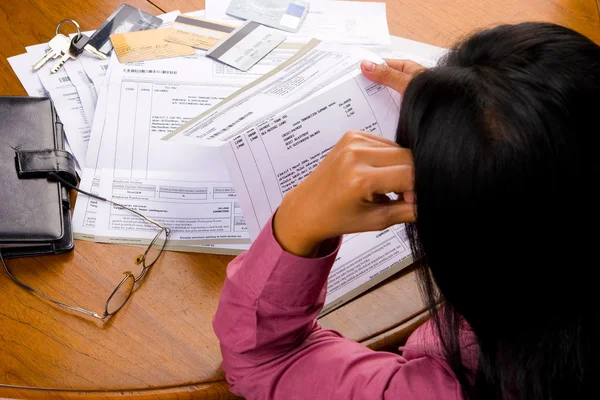
At the same time financial challenges can be created due to:
- Variable Interest Rates
- The Temptation To Overspend, and
- Repayment Obligations
Ultimately, the value of a line of credit depends on how responsibly it is put to use. When supported by careful budgeting and a clear repayment strategy, it can be a useful part of a broader financial plan. Without those safeguards, however, the same flexibility that makes it attractive can turn into a costly burden. Therefore you must understand the cost, grab and utilise only what is needed and be sure to plan and implement your strategy to pay it back.
